
A beginner's guide to the Gujarati thali
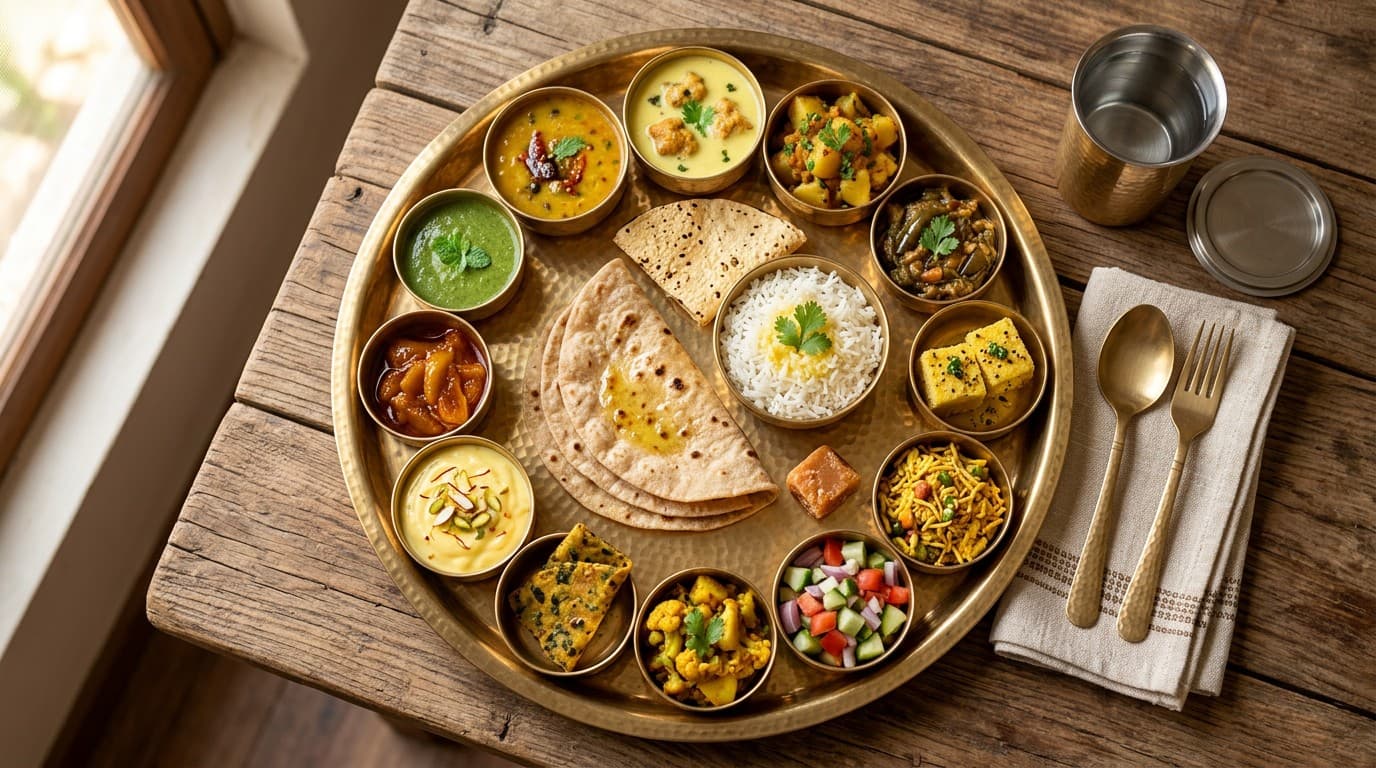
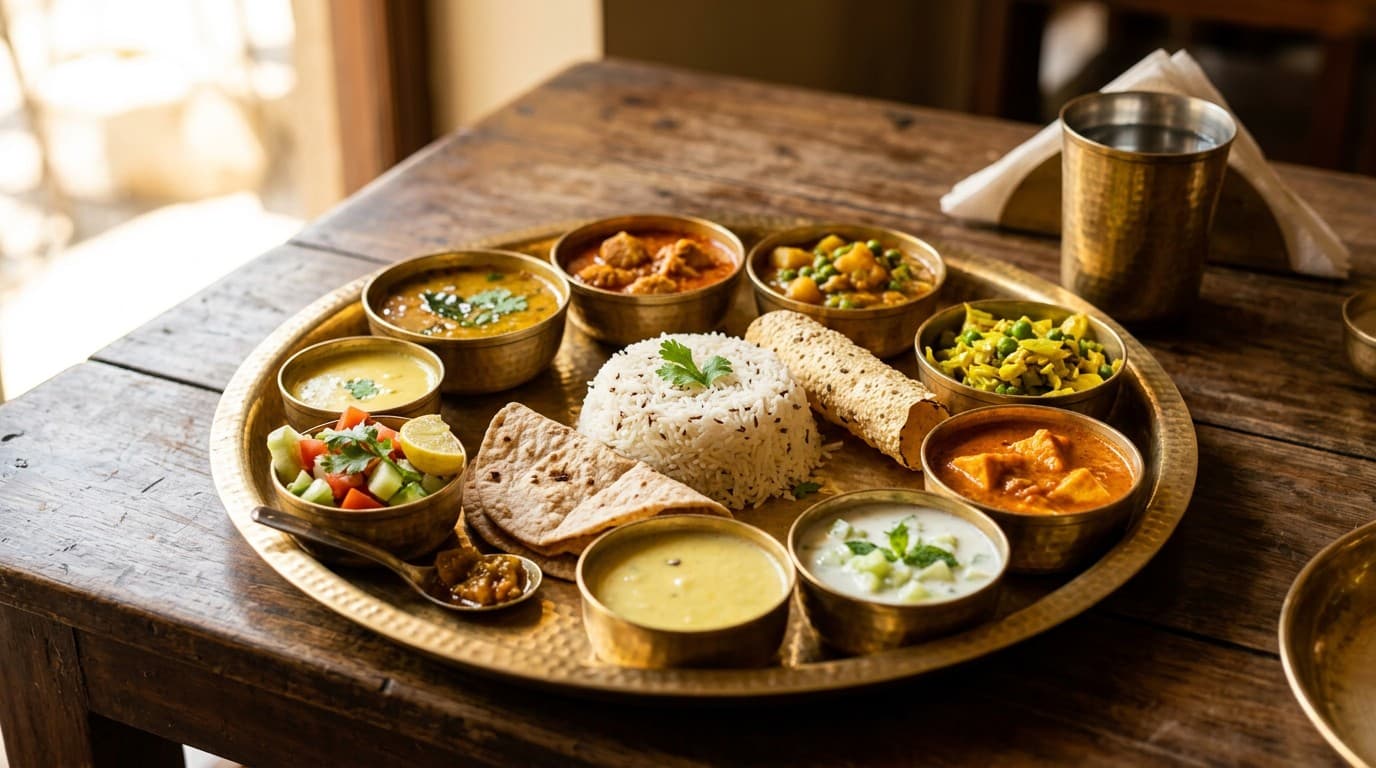
A Gujarati thali is a whole meal in miniature — sweet, salty, spicy and tangy, all on one brass plate. To a first-timer it can look like a dozen little bowls with no instructions. Here's how the pieces fit together.
The building blocks
Every home-style Gujarati thali is built around a few familiar roles. Once you know them, any thali makes sense.
- Dal — a lightly sweet-and-sour lentil soup, the comforting centre
- Kadhi — silky yoghurt-and-gram-flour curry, tempered with spices
- Shaak — two or three seasonal vegetable dishes, dry and gravied
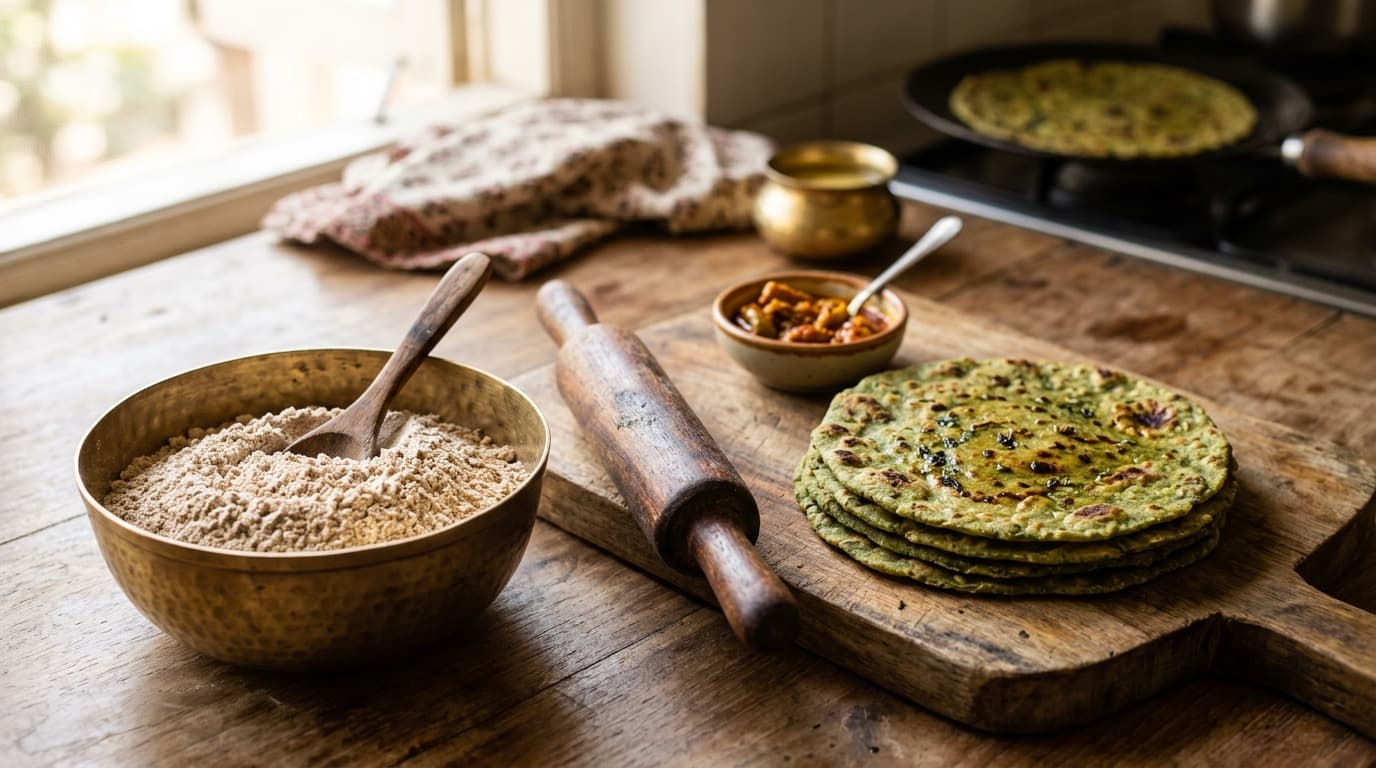
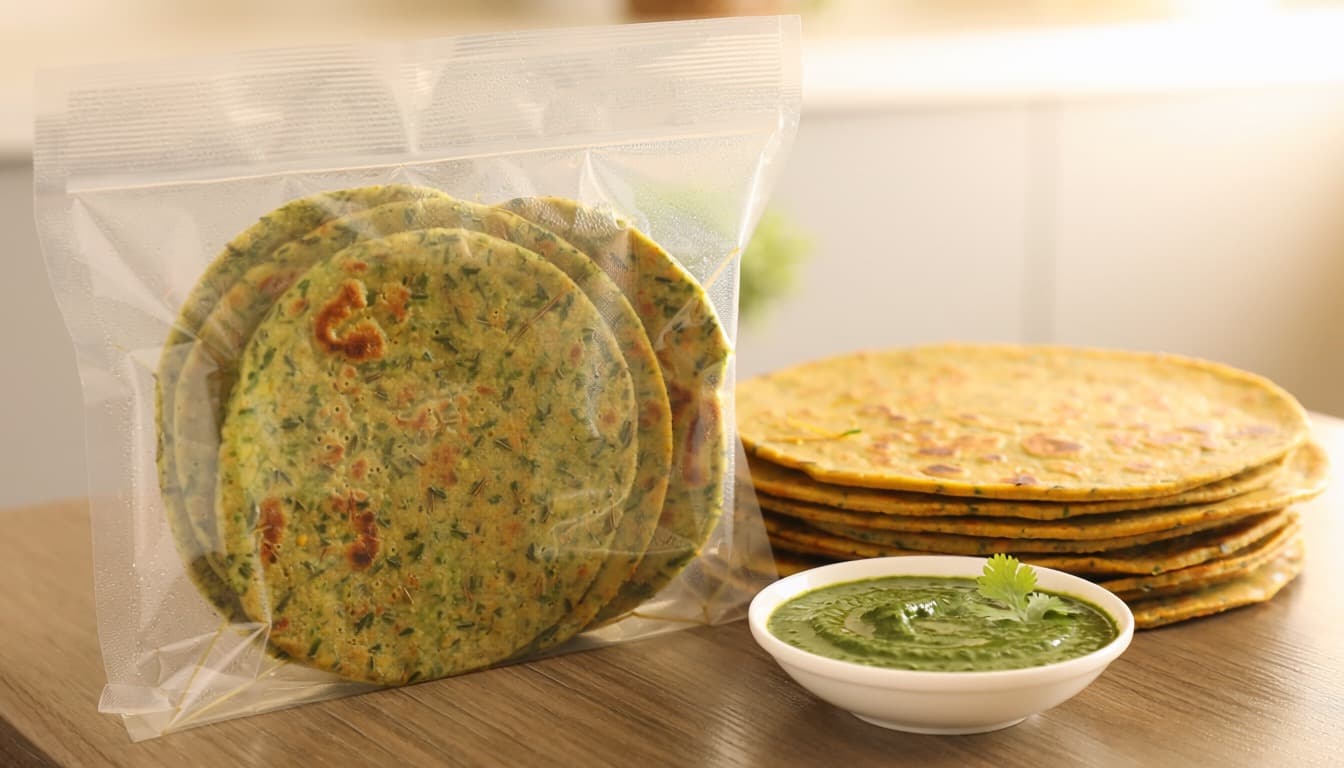
- Rotli & thepla — soft whole-wheat flatbreads to scoop everything up
- Rice & khichdi — to round off the meal
- Farsan — dhokla, khandvi or a fried snack for crunch
- A sweet — sukhdi, mohanthal or shrikhand, often eaten alongside, not just after
The sweet-and-savoury balance
Gujarati cooking is famous for a gentle touch of sweetness — a little jaggery in the dal, a sweet note in the shaak. It isn't dessert; it's balance. The sweetness rounds off the heat and the tang so the whole plate feels harmonious rather than one-note.
How to actually eat it
There's no wrong way, but locals tend to start with a little of everything, tear off some rotli, and mix dal with rice towards the end. Servers traditionally keep refilling the bowls, so pace yourself — a thali is meant to be lingered over.
Jain and vegan thalis
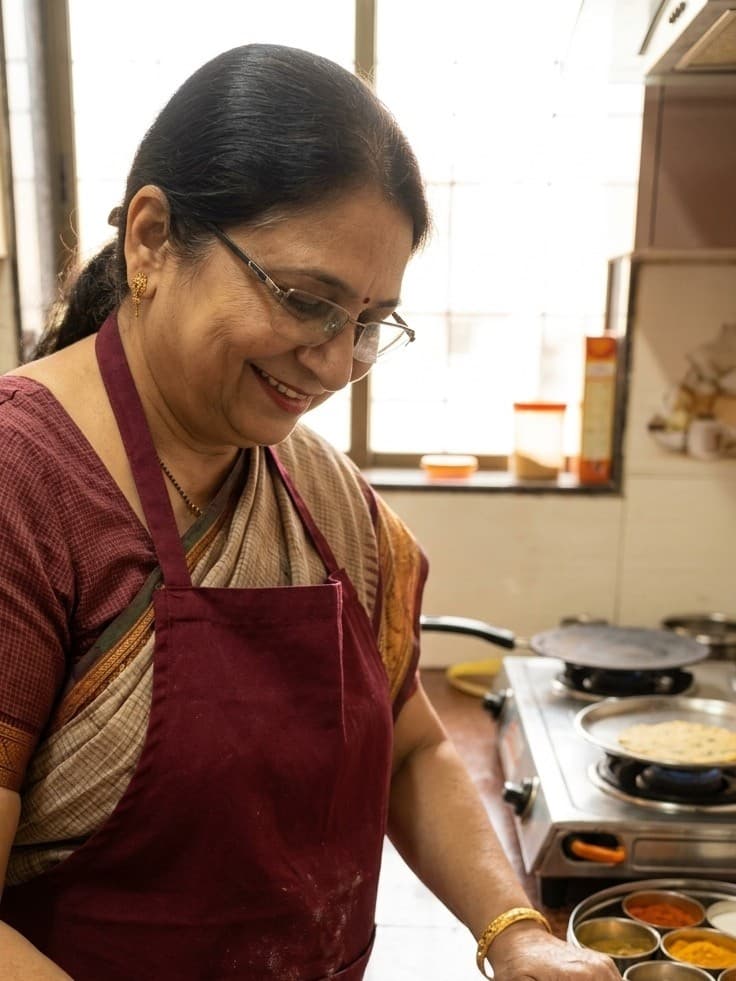
At Thepla House by Tejal's Kitchen we serve full Jain thalis (no onion, garlic or root vegetables) and vegan thalis (dairy swapped for oil). So whether you eat satvik, plant-based or everything, the home-style Gujarati thali is built for you.
A thali isn't a dish. It's a whole afternoon, served on one plate.
 WhatsApp